Waking Up With Neck Pain Knoxville TN: Why Mornings Hurt

If you’re waking up with neck pain Knoxville TN, even a normal morning routine can feel like a struggle. Turning your head, getting dressed, or checking your phone may bring a sharp catch or stiff ache. It’s understandable to wonder whether your pillow is to blame, or whether something else is going on.
One thing we commonly see in our office is that morning neck discomfort can have more than one contributor. Sleep position and pillow height may matter, but so can how long your neck stays in one position, the muscles around it, and what your body was doing the day before. The goal is to understand your pattern, not guess at a single cause.

Waking Up With Neck Pain Knoxville TN: What Happens Overnight?
Your neck moves and adjusts throughout the day. During sleep, you may stay in one position for a while before shifting. If your pillow holds your head tipped forward, dropped back, or tilted to one side, the muscles and joints in your neck can spend hours in a position that doesn’t feel comfortable for you.
The small joints at the back of the neck, called facet joints, help guide movement. If one area stays near the end of its comfortable range, it may feel stiff or sore when you move after waking. Nearby muscles may also tighten protectively. That muscle guarding can make turning your head feel difficult, even when the original irritation is mild.
The soreness may be felt at the base of your skull, along one side of your neck, or across the tops of your shoulders. Some people also notice a headache or upper-back tightness. These symptoms don’t identify the cause by themselves, but when they keep returning, they’re useful details to discuss during an assessment.
Check Your Pillow and Sleep Position
There isn’t one pillow height or style that works for everyone. Your shoulder width, sleeping position, mattress, and personal comfort all affect how your neck rests.
- If you sleep on your side: Your pillow should fill the space between your shoulder and head without pushing your head up or letting it sag down. Try to keep your nose roughly in line with your breastbone.
- If you sleep on your back: Choose support that feels comfortable beneath your neck without pushing your chin toward your chest or letting your head tip far backward.
- If you sleep on your stomach: Your head usually has to stay turned to one side. If you can, experiment with side or back sleeping instead, changing gradually if needed.
Rather than buying several pillows at once, adjust one thing at a time. A folded towel can help you test a small change in support before you decide whether a different pillow is worth trying. Comfort is your guide; you don’t need to force your body into a position that feels unnatural.
Why Are Some Mornings Worse Than Others?
A lot of patients assume that a painful morning means they slept “wrong.” Sometimes sleep setup is part of it, but a rough morning isn’t proof that one position caused damage.
Your neck may feel different from one day to the next because you slept longer in one position, had a more active day, or went to bed with existing muscle tension. Stress and a busy routine can also make it harder to relax. You might feel stiff at first, then loosen up as you move, or notice that the discomfort sticks around through your day.
The bigger picture matters. If your neck is repeatedly sore in the morning, consider whether it also hurts during the day, whether movement changes it, and whether you have symptoms in your shoulder or arm. If desk time contributes too, our article on why desk work can lead to neck and back pain may offer helpful ideas.
Try These Gentle Steps Tonight and Tomorrow
If your symptoms are mild and you don’t have concerning symptoms, a few simple adjustments may help you see whether sleep setup is contributing:
- Make one pillow adjustment. Change its height or position slightly, then give that change a few nights if it remains comfortable.
- Try a different sleep position. If you usually sleep on your stomach, see whether side or back sleeping feels manageable.
- Use gentle movement in the morning. Slowly look a little to each side and nod within a comfortable range. Don’t push into sharp pain or force a stretch.
- Try comfortable warmth. A warm shower or a comfortably warm pack for a short time may ease muscle tightness. Protect your skin and stop if it feels too hot or unpleasant.

If a movement makes pain spread, causes tingling, or brings on weakness, stop and seek advice. Gentle movement should feel manageable, not like a test you need to push through.
When Morning Neck Pain Needs More Attention
Pain that keeps returning, lasts well into the day, or interferes with sleep and daily activities deserves a closer look. Symptoms traveling into your arm, persistent numbness or tingling, weakness, or recurring headaches are also worth discussing with a health professional. They don’t automatically mean a serious problem, but they can change what evaluation is appropriate.
Seek urgent medical care for neck pain after a serious injury, sudden or worsening weakness, trouble walking or keeping your balance, or new problems with bladder or bowel control. Fever with a severe headache and marked neck stiffness also needs prompt medical attention.
Get an Assessment Before Choosing a Treatment
At Dr. Arthur Poisal Chiropractic, we start by listening: when the discomfort began, how your sleep position affects it, and whether it changes during the day. We’ll also ask about headaches, arm symptoms, past injuries, and your daily activities.
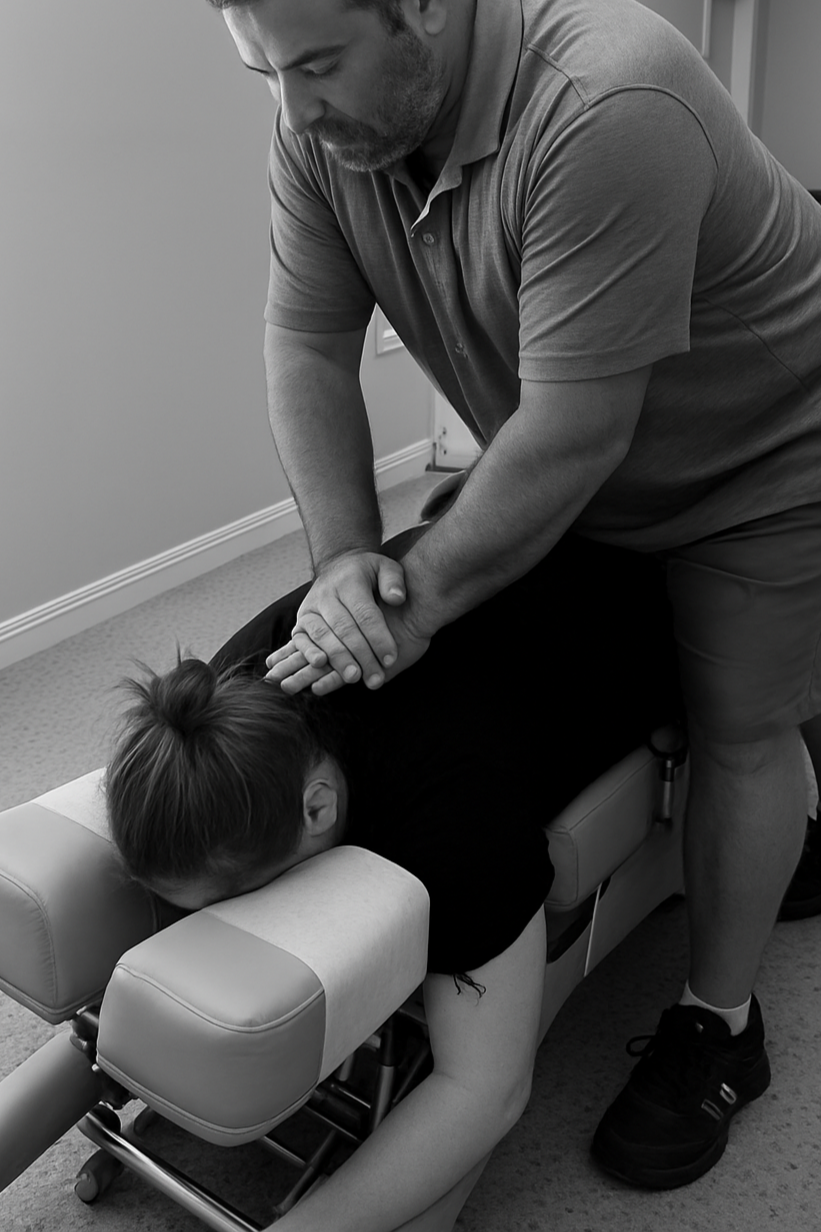
An examination may include comfortable checks of neck and upper-back movement, along with other relevant findings. Your symptoms may involve muscles, joints, or movement patterns beyond the spot that hurts. We explain what we find and talk through options before recommending care. Depending on your needs, neck and shoulder pain relief may include hands-on care or mobility work. For selected, lingering soft-tissue complaints, shockwave therapy may be discussed if appropriate; it isn’t the right option for every cause of neck pain.

Care is individualized, and no approach can promise a particular result. If you’d like to learn what an adjustment may involve, read our guide to chiropractic adjustments and what to expect.
If morning neck pain is making it harder to get comfortable or get on with your day, we’re happy to talk it through. Call (865) 687-5700 or visit us at 3371 Whittle Springs Road, Knoxville, TN 37917. A conversation is a simple place to start.
FAQs
Can a pillow cause neck pain in the morning?
Pillow height and shape can affect how your head and neck rest, but they aren’t the only possible factors. A comfortable, neutral position is a reasonable place to start, and there’s no single pillow that works for everyone.
Should I stretch my neck as soon as I wake up?
You can try slow, gentle movements within a comfortable range. Don’t force a stretch or push through sharp pain, tingling, or symptoms that spread into your arm.
Is sleeping on my stomach bad for my neck?
It can be less comfortable for some people because the head usually stays turned to one side. If that seems to aggravate your symptoms, experiment with side or back sleeping and see how you feel.
Why does my neck loosen up after I get moving?
After staying still for hours, muscles and joints may feel stiff at first. Gentle movement can make the area feel more comfortable, but ongoing or recurring pain still deserves attention.
When should I get my morning neck pain checked?
Consider an assessment if pain keeps returning, persists into the day, affects your usual activities, or comes with arm symptoms, numbness, tingling, weakness, or recurring headaches. Seek urgent medical care for severe warning signs such as serious injury or rapidly worsening weakness.