Sciatica That Comes and Goes Knoxville TN: Why It Returns

One week, the pain running from your lower back or buttock down your leg is barely noticeable. Then a long drive, a busy day, or a return to exercise brings it back. If you’re searching for sciatica that comes and goes knoxville tn, that on-and-off pattern can feel confusing, but it doesn’t automatically mean something is seriously wrong each time symptoms return.
Sciatica describes a pattern of symptoms, not one specific cause. Understanding what changes between a flare and a calmer stretch can help you make sense of the pattern and decide what to do next. This article focuses on why symptoms recur; our Sciatica Treatment in Knoxville guide covers the broader care picture.
What “sciatica that comes and goes knoxville tn” can tell you
The sciatic nerve begins with nerve roots in the lower back and travels through the buttock and down the leg. When a nerve root is irritated, symptoms may travel along that route. The irritation may change with movement, position, and how much activity your body is handling.
A lot of patients assume that pain easing means the nerve is fully settled, or that a flare means they have damaged it again. Neither conclusion is automatic. Symptoms can quiet down when a position or activity is less provocative, then return when the area is asked to handle more. The pain is real, but its intensity doesn’t always give a complete picture of what’s happening.
Symptoms can vary from day to day
You might notice:
- Aching, sharp, burning, or electric-like pain from your lower back or buttock into one leg.
- Symptoms that are mild at first, then build during a particular activity.
- Relief when you change position, walk briefly, or rest in a comfortable posture.
- A flare after lifting, repeated bending, exercise, or sitting for a long time.
Pay attention to what changes the symptoms, not just where you feel them. For example, note whether the pain travels farther down your leg, how long it takes to settle, and whether your walking, sleep, or strength is changing.

Why can sciatica flare, settle, and return?
A nerve root can become irritated by nearby tissue, including a disc, or affected by narrowing around the nerve. In some cases, symptoms that feel like sciatica may involve the hip or deeper buttock tissues instead. These problems can feel similar, which is why the pain location alone doesn’t identify the cause.
“Irritated” and “compressed” are related, but not interchangeable, ideas. A nerve may be sensitive without being constantly pinched. Pressure, inflammation, and the way the back and hip move can all affect how it responds. A position that feels fine one day may become uncomfortable after a long stretch in that posture or a demanding day.
One thing we commonly see in our office is that symptoms are not always linked to a single movement. The amount of activity and how it’s spread across the day may matter too. A sudden increase in lifting, yardwork, training, or time in the car can be enough to provoke a sensitive area.
Why the pattern can keep repeating
There are a few common reasons symptoms may return:
- The underlying contributor is still present. A flare may settle without the factors affecting your movement or workload changing.
- Activity swings between too much and too little. You may feel better, jump straight back into your usual routine, then need several quiet days to recover. That boom-and-bust cycle can make it hard to rebuild tolerance.
- You start guarding the area. Avoiding movement may seem sensible during a painful spell. But prolonged inactivity can reduce strength and confidence, making everyday demands feel harder.
- The nervous system stays more sensitive for a while. After a period of pain, ordinary movement can feel more threatening than it did before. That doesn’t mean the symptoms are imaginary; it means recovery may involve gradual, supported movement.

What you can try when symptoms flare
If symptoms are familiar and stable, a few simple adjustments may help you stay comfortable while avoiding a full stop in activity.
- Change position regularly. A comfortable position can be useful, but staying in any one position for hours may not be.
- Try short, easy walks. Keep the pace and distance within what you can manage comfortably. If symptoms get substantially worse and stay worse, ease back.
- Temporarily adjust provoking tasks. You might reduce heavy lifting, repeated bending, or a particularly long drive while symptoms are active. Gradually build back up as you tolerate it.
- Return to activity in steps. Increase one thing at a time, such as walking duration or lifting load, rather than trying to make up for lost time all at once.
- Choose positions by your response. Some people feel more comfortable lying on their side with a pillow between their knees; others prefer a different position. There isn’t one posture that works for everyone.
A brief increase in pain doesn’t always mean harm. Still, don’t push through symptoms that are steadily worsening, spreading farther down the leg, or accompanied by new weakness. For a related look at position-related flare-ups, read Sciatica When Sitting: Why Your Chair Makes It Worse.

When an evaluation can help
Consider an evaluation if episodes keep returning, symptoms are getting worse, or pain is limiting your sleep, work, walking, or exercise. You don’t have to wait until a flare becomes severe to ask what may be contributing.
A thorough assessment starts with listening: when symptoms began, where they travel, what tends to bring them on, and what you’ve already tried. We may also assess your comfortable movement, walking, strength, sensation, and reflexes. The goal is to understand the overall pattern, not assume that the sorest spot tells the whole story.
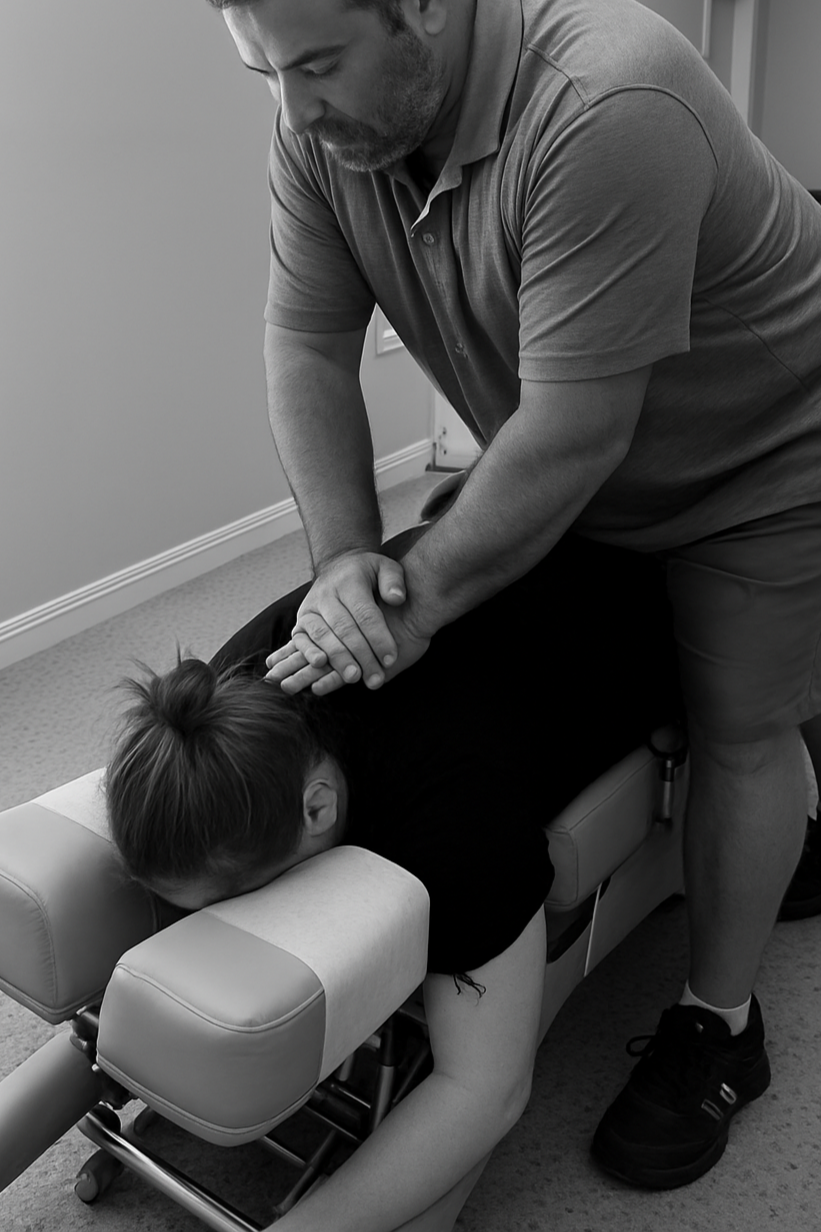
If chiropractic care is appropriate, a customized plan may include hands-on care, mobility work, activity guidance, and exercises progressed at a pace that makes sense for you. For selected disc-related patterns, spinal decompression therapy may be discussed after an assessment. No one approach is right for every person, and there’s no honest way to promise permanent relief. If your symptoms call for medical evaluation or another type of care, that should be part of the conversation.
If you’d like to understand more about how back symptoms can return, see Chronic Back Pain Help: Why It Keeps Coming Back.
Know when to seek urgent medical care
Get urgent medical attention for new loss of bladder or bowel control, numbness around the groin or saddle area, or rapidly worsening leg weakness. These symptoms need prompt medical assessment rather than a routine appointment.
Frequently asked questions
Does on-and-off sciatica mean the nerve is getting worse?
Not necessarily. Symptoms can change with position, activity, and sensitivity. But worsening pain, new weakness, or changes in sensation deserve an evaluation.
Should I rest until the pain is gone?
Not usually. A short break from a provoking activity may help, but prolonged bed rest can make it harder to return to normal movement. Keep activity gentle and manageable, and adjust based on how you respond.
Why does sciatica return after I feel better?
Symptoms may return when the area is asked to handle more activity than it currently tolerates, or when contributing movement and workload patterns haven’t changed. A flare doesn’t always mean you’re back at the beginning.
When should I get checked?
Make an appointment if symptoms keep recurring, interfere with daily activities, or aren’t settling as expected. Seek urgent medical care for the warning signs above.
If leg pain keeps interrupting your routine, we’ll be happy to listen and help you consider a sensible next step. Call (865) 687-5700 or visit us at 3371 Whittle Springs Road, Knoxville, TN 37917.
This article is for general education and does not replace an individual examination or medical advice.