Tennis Elbow Treatment Knoxville TN: Why It Keeps Coming Back

You reach for a mug, grip a barbell, or finish a day at the computer, and that familiar ache returns on the outside of your elbow. If you’re looking for tennis elbow treatment Knoxville TN, you may be wondering why the pain keeps coming back, especially if you don’t play tennis.
One thing we commonly see in our office is an elbow that’s being asked to handle more gripping and lifting than it can comfortably manage right now. The cause isn’t always the elbow alone, though. Your neck, wrist, work habits, and recent activity changes can all be part of the picture.
What tennis elbow may be telling you
Tennis elbow is a common name for pain related to the tendons that attach forearm muscles to the outside of the elbow. These muscles help you extend your wrist and steady your hand when you grip, lift, or use tools.
The tendon can become sensitive when repeated loading outpaces its ability to adapt and recover. The problem isn’t limited to tennis. It can show up after lifting weights, using hand tools, carrying groceries, or spending long hours typing and using a mouse.
You might notice tenderness at the outer elbow, discomfort when gripping or lifting with your palm down, or pain when you extend your wrist against resistance. Some people also feel an ache down the forearm.
The painful spot is useful information, but it doesn’t always explain the whole problem. A neck-related nerve issue, wrist movement, shoulder mechanics, or a sudden change in workload may influence how the arm feels. That’s one reason an examination matters more than guessing from the location of pain.
Tennis elbow treatment Knoxville TN: why pain lingers
A lot of patients assume the tendon just needs a few days of rest. Rest can settle a flare, but symptoms may return if the same workload starts up again before the arm is ready.
Tendons adapt gradually, often over weeks to months. Meanwhile, everyday tasks don’t always pause. A busy week at a desk, weekend home projects, gym sessions, and recreational sports can keep adding grip demands. When that load repeatedly exceeds your current capacity, the tendon may stay sensitive.
Other factors can keep the cycle going:
- A sudden jump in activity: More lifting, tool use, tennis, or gym work than usual.
- Repeating the same grip: Long stretches of mouse use or forceful gripping without a change in position.
- Pushing through early warning signs: The pain may ease during an activity, then be worse afterward or the next morning.
- Avoiding all use for too long: Prolonged rest can leave the arm less prepared for normal demands.
This doesn’t mean you have to stop everything. Often, the useful question is how to adjust the load while keeping comfortable movement in your routine.

Look beyond the sore spot
During an assessment, we want to understand what brings on your symptoms and what your actual week asks of your arm. That includes your work, exercise, hobbies, and the activities you’d like to return to.
We may check grip, wrist movement, and how the elbow responds to resisted wrist or finger motion. We may also examine your neck and shoulder, especially if you have tingling, numbness, or symptoms that travel beyond the elbow. A neck-related nerve problem can sometimes resemble or accompany local tendon pain, so it’s important not to assume every outer-elbow ache has the same source.
At Dr. Arthur Poisal Chiropractic, we take time to listen before recommending a plan. The exam helps us decide whether the symptoms fit a tendon-load problem, whether other areas may be contributing, and whether another type of medical evaluation makes more sense.
If you’re exploring tennis elbow treatment Knoxville TN, a thorough assessment can help make the next step more specific to you, not just to the name of the condition.
Choose care that fits your findings
The right approach depends on what the examination shows and how irritable the area is. Care may include:
- Adjusting aggravating activities: Reduce or change the most painful gripping and lifting for a time. This could mean lighter loads, shorter work periods, a different grip, or breaks between repetitive tasks.
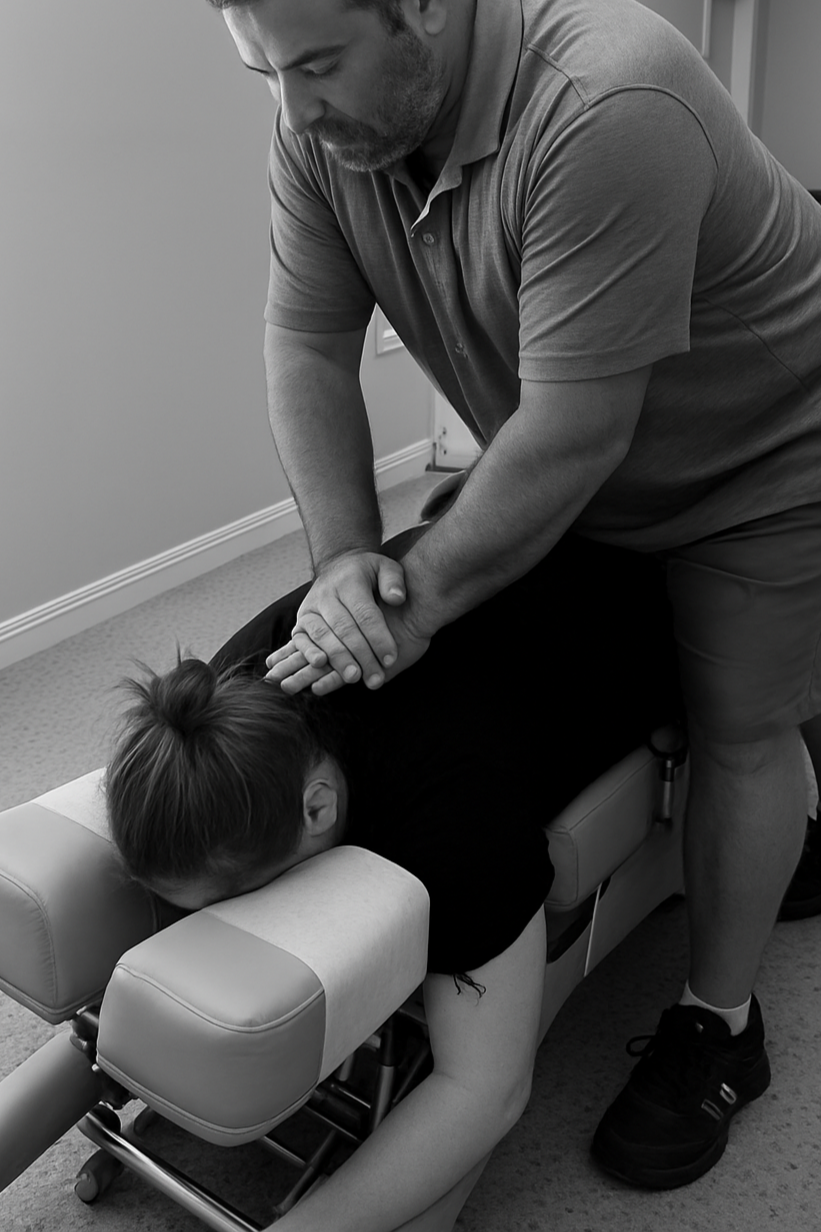
- Soft-tissue work: Hands-on care may be used to address movement or tension around the forearm and nearby areas when appropriate.
- Dry needling: This may be considered for selected muscle-related concerns, depending on your evaluation and comfort.
- Progressive wrist and grip exercises: Gradual, controlled loading helps build capacity for the tasks you need to do. Exercises may progress from easier wrist movements to stronger gripping and activity-specific practice.
- Chiropractic care: Hands-on care may be part of the plan when the assessment supports it. It isn’t a substitute for building tolerance to the activities that matter to you.

Exercises shouldn’t be a test of how much pain you can tolerate. A manageable starting level, followed by gradual progression, is usually more useful than repeatedly pushing into a flare. Our guide to rehabilitative exercises and gradual progress explains how exercise can support a return to everyday activity.
For stubborn tendon symptoms, Shockwave Therapy may be discussed as an option. Tendon problems are one area where it’s used, but research findings vary and it isn’t a guarantee of improvement. It’s not a replacement for a suitable loading plan. You can read more about Shockwave Therapy in Knoxville and how an assessment helps determine whether it may fit.
If your symptoms overlap with shoulder or neck concerns, our shoulder pain treatment guide offers more information about why connected areas can matter. Active patients can also learn about sports chiropractic and injury rehabilitation.
Set realistic expectations
Tendon recovery is usually measured in weeks to months, not days. Progress may mean gripping with less discomfort, getting through a workday more comfortably, or building back toward lifting or tennis. Symptoms can vary along the way, so the plan may need to change as your tolerance improves.
If you’re in Knoxville or a nearby community, tennis elbow treatment Knoxville TN should be built around your own symptoms, daily demands, and goals. For some people that means returning to the gym; for others, it means using tools or working at a desk with less interruption.
When to get checked promptly
Arrange an evaluation if pain keeps returning, interferes with work or sleep, or makes it hard to grip and lift. Seek prompt medical care after significant trauma, with marked swelling, fever, inability to grip or use the arm, or numbness or tingling into the hand. Worsening symptoms despite care also deserve a closer look.
Frequently asked questions
Do I have to stop lifting or playing tennis?
Not always. You may be able to continue with changes to weight, duration, grip, or frequency. The aim is to find a level your arm tolerates and build gradually. If an activity causes a clear increase in pain, adjust it and seek guidance.
Is tennis elbow the same as golfer’s elbow?
No. Tennis elbow usually affects the outside of the elbow, while golfer’s elbow usually affects the inside. Both can involve irritation where forearm muscles and tendons attach, but the location and contributing loads differ.
Will a brace or strap help?
A counterforce strap or wrist brace may reduce symptoms for some people during certain activities. It doesn’t address every contributor or replace gradual strengthening. Fit and comfort matter, so ask a clinician whether one makes sense for your situation.
How long does tennis elbow take to get better?
There isn’t one timeline. It depends on how long symptoms have been present, your daily workload, and how gradually the arm can return to gripping and lifting. Tendons often need weeks to months to adapt, and progress isn’t always perfectly steady.
Do I need an MRI or other imaging?
Imaging usually isn’t the first step when symptoms and examination findings fit a typical tendon problem. It may be considered if the diagnosis is uncertain, symptoms aren’t following an expected course, or another condition is suspected.
If you’re considering tennis elbow treatment Knoxville TN, we’ll take time to hear what’s been happening and discuss options that fit your needs. Call (865) 687-5700 or visit us at 3371 Whittle Springs Road, Knoxville, TN 37917. We’ll be happy to talk through a manageable next step.