Why Does My Shoulder Hurt When I Sleep?

Do you wake up with a deep ache in your shoulder? Maybe you avoid sleeping on one side, shift positions all night, or struggle to get comfortable no matter how many pillows you use. If shoulder pain is keeping you up at night here in Knoxville, you’re not alone — and the painful spot isn’t always the original source of the problem.
A shoulder can hurt at night for several reasons. The irritation may involve the rotator cuff, a bursa, the shoulder joint, the shoulder blade, or even the neck. Your sleeping position may also place pressure on sensitive tissue for several hours at a time.
The important thing is figuring out why your shoulder is hurting instead of simply chasing the painful area.
Shoulder Pain When You Sleep: What May Be Causing It?
Nighttime shoulder pain doesn’t point to one single diagnosis. Several structures work together every time you reach, lift, push, or roll over in bed.
Here are some common possibilities.
Rotator cuff irritation
The rotator cuff is a group of muscles and tendons that helps stabilize your shoulder and control arm movement. Repetitive overhead activity, a previous injury, or a gradual change in tendon capacity may irritate this area.
You may notice:
- Pain when reaching overhead
- A dull ache along the outside of the shoulder or upper arm
- Weakness with lifting or rotating your arm
- More pain when lying on the affected side
When you sleep, the shoulder may settle into a position that compresses or stretches an irritated tendon. That can make symptoms more noticeable at night, even if the shoulder feels manageable during the day.
Bursitis or soft-tissue irritation
A bursa is a small fluid-filled cushion that helps tissues move smoothly around a joint. If it becomes irritated, lying directly on that shoulder may increase pressure and discomfort.
This type of pain is often achy or tender. You may find that side sleeping is especially uncomfortable, or that reaching out to the side causes a sharp catching sensation.
Shoulder stiffness or frozen shoulder
Some people develop gradually increasing stiffness along with nighttime pain. A condition commonly called frozen shoulder involves tightening of the capsule around the shoulder joint.
You may have difficulty:
- Reaching behind your back
- Putting on a jacket
- Lifting your arm overhead
- Rotating your arm outward
- Finding a comfortable sleeping position
The shoulder may hurt first, then become progressively harder to move. If your range of motion is changing, it’s worth having the shoulder evaluated rather than forcing it through painful stretches.
Sleep position
Your sleeping position may not be the original cause, but it can make an existing issue worse.
For example:
- Sleeping directly on the painful side can compress the shoulder.
- Sleeping with your arm overhead can place the shoulder in a strained position.
- Sleeping on your stomach may rotate your neck and shoulder for hours.
- A pillow that is too high or too low may affect your neck and shoulder mechanics.
A small change in position can sometimes reduce irritation. However, if pain keeps returning, changing pillows alone may not address the underlying problem.
The Shoulder, Shoulder Blade, Neck, and Nervous System Work Together
A lot of patients assume shoulder pain must come from the shoulder joint itself. Sometimes it does. But the shoulder is part of a larger movement system.
Your shoulder blade needs to move smoothly across your rib cage. Your upper back and neck help position that shoulder blade. The rotator cuff helps center the upper arm in the shoulder socket. Your nervous system coordinates the timing and strength of all these movements.
If one area becomes stiff, weak, irritated, or sensitive, another area may compensate.
For example, limited upper-back motion may change how the shoulder blade moves. A stiff neck may alter how you hold your head and shoulder. Weakness or poor control around the shoulder blade may place extra demand on the rotator cuff.
That’s why the painful spot isn’t always where the original problem started. During an examination, we may need to consider:
- Shoulder joint motion
- Rotator cuff strength and tolerance
- Shoulder-blade movement
- Neck and upper-back motion
- Nerve-related symptoms
- Previous injuries or changes in activity
- The positions that make symptoms better or worse
This big-picture approach helps us choose care based on what we find, not simply on where you point.
Our approach to shoulder pain treatment in Knoxville looks at the shoulder, neck, upper back, and shoulder blade as one connected system.

Why Does It Keep Happening?
Nighttime pain may continue when the irritated area is repeatedly loaded without enough time or support to recover.
You may feel better for a few days after resting, then notice the pain again when you return to overhead work, workouts, yard work, or a preferred sleeping position. In other cases, the shoulder becomes stiff because you’re avoiding movement. That stiffness can then make normal movement more difficult.
Common contributors include:
- Repeated overhead activity
- Returning to exercise too quickly
- Weakness in the rotator cuff or shoulder-blade muscles
- Limited neck or upper-back movement
- Sleeping with the arm in a strained position
- A previous shoulder injury
- Compensation from another painful area
The goal isn’t to stop every activity forever. It’s to understand what the shoulder can tolerate now and gradually improve movement and capacity in a sensible way.
What You Can Try Tonight
If your symptoms are mild and you haven’t had a significant injury, a few adjustments may help reduce nighttime irritation.
Support the arm
If you sleep on your non-painful side, place a pillow under the upper arm of the painful side. This can prevent the arm from falling forward and pulling on the shoulder.
If you sleep on your back, try placing a small pillow under the elbow or forearm. Keep the shoulder relaxed rather than forcing the arm overhead.
Avoid direct pressure
Try not to sleep directly on the painful shoulder. You don’t need to find a perfect position immediately. The goal is simply to reduce prolonged pressure and avoid positions that clearly increase your symptoms.
Modify aggravating activity
For a short period, reduce movements that sharply increase pain, such as heavy overhead lifting or repetitive reaching. Continue comfortable movement when possible. Complete rest can sometimes increase stiffness.
Don’t force painful stretches
Gentle movement may be useful, but aggressive stretching can irritate an already sensitive shoulder. If your motion is severely limited or pain is increasing, an examination is a better next step than adding more exercises on your own.
How We May Approach the Problem
At Dr. Arthur Poisal Chiropractic, care begins with listening to what you’re experiencing and examining how the shoulder, neck, and surrounding areas move.
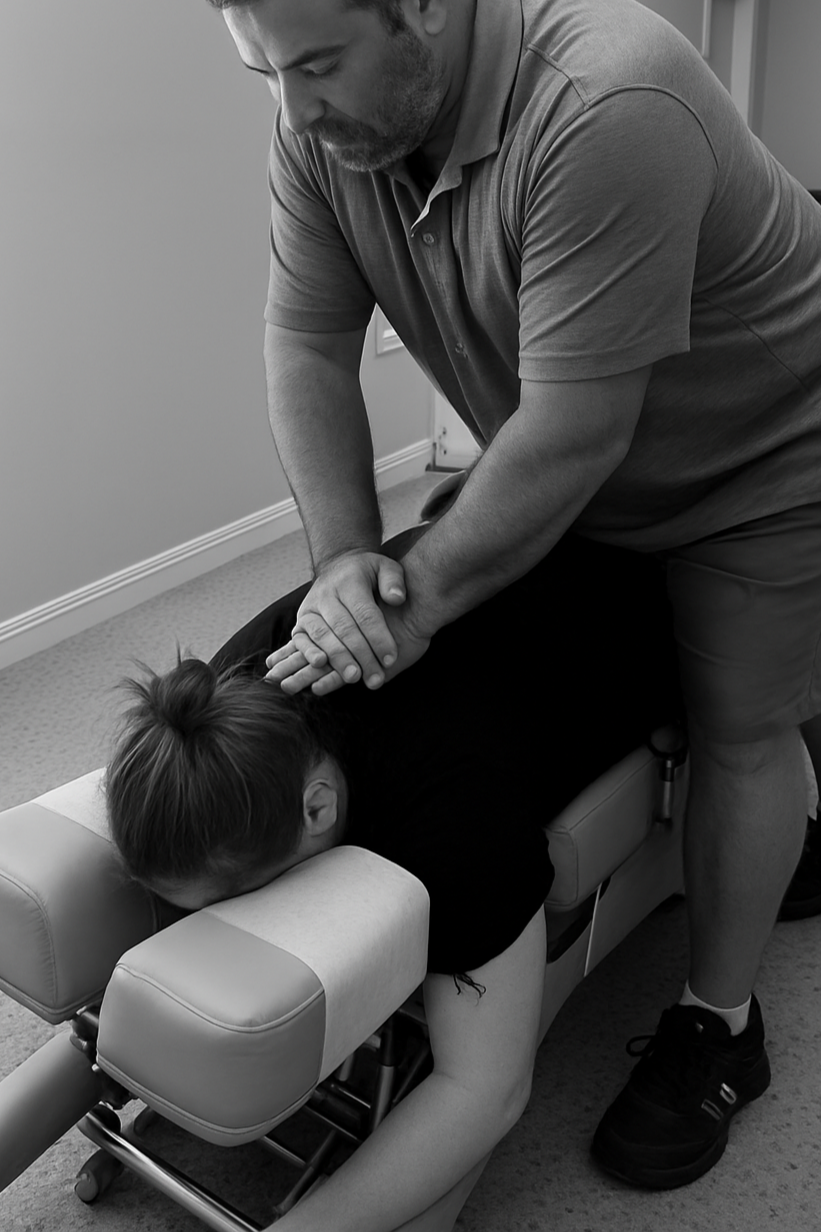
Our chiropractic care approach may include appropriate hands-on care to address restricted joint motion and movement mechanics. This doesn’t mean every shoulder problem comes from the spine. It means we look at the areas that may be contributing to how your shoulder functions.
Depending on your examination, care may also include:
Chiropractic care and mobility work
Improving motion in appropriate joints may help you move with less restriction. The focus is on selecting care that matches your findings, comfort level, and goals.
JointWave or Shockwave Therapy
Shockwave therapy uses acoustic and mechanical energy directed at selected tissues. It may be considered for certain chronic soft-tissue or musculoskeletal conditions, including some stubborn tendon problems.
It isn’t appropriate for every cause of nighttime shoulder pain. A clinician may consider it when symptoms appear related to a persistent soft-tissue issue and when a targeted treatment may support the larger plan. Learn more on our Shockwave Therapy service page.
Rehabilitation and corrective exercises
Exercises may help improve:
- Shoulder-blade control
- Rotator-cuff capacity
- Upper-back mobility
- Shoulder strength
- Tolerance for reaching and lifting
The right exercise depends on what your shoulder can do comfortably. In some cases, the first step is restoring gentle motion. In others, the focus may be building strength and improving movement patterns.

If you’re active, our sports chiropractic and injury rehabilitation services may also be relevant when shoulder symptoms interfere with training, work, or recreation.
When to Seek Prompt Medical Evaluation
Shoulder pain is often manageable, but some symptoms should not be ignored. Seek prompt medical care if you have:
- Major trauma, a visible deformity, or a suspected dislocation
- Sudden inability to raise your arm
- Severe or rapidly worsening weakness
- Fever, redness, warmth, or significant swelling
- New numbness, tingling, or loss of coordination
- Chest pain, shortness of breath, sweating, or pain spreading into the jaw or arm
You should also arrange an evaluation if pain regularly wakes you, continues to worsen, or does not improve with reasonable activity and sleep-position changes.

Frequently Asked Questions
Why is shoulder pain worse at night?
Sleeping can place prolonged pressure on an irritated shoulder. Your arm may also rest in a position that compresses or stretches the rotator cuff, bursa, or joint. Pain may feel stronger at night because there are fewer daytime distractions.
Is sleeping on the painful side harmful?
It may increase pressure and irritation, especially if the shoulder is already sensitive. Try sleeping on the opposite side with the painful arm supported by a pillow, or sleep on your back with support under the forearm.
Can shoulder pain come from the neck?
Yes. Irritation or restricted motion in the neck can refer pain into the shoulder or upper arm. Neck-related symptoms may also include tingling, numbness, burning, or shooting pain. An examination can help determine whether the neck is involved.
When should I get shoulder pain evaluated?
Consider an evaluation if pain lasts more than a couple of weeks, repeatedly wakes you, limits your movement, or interferes with work, exercise, or daily activities. Seek urgent care after major trauma or if you have chest symptoms, fever, sudden weakness, or new neurological symptoms.
May shockwave therapy help nighttime shoulder pain?
It may help selected chronic tendon or soft-tissue conditions, but it isn’t a universal treatment. The underlying cause should be assessed first so your care plan can include the most appropriate combination of activity changes, mobility work, treatment, and rehabilitation.
Find Your Next Step in Knoxville
If shoulder pain is keeping you from sleeping comfortably, you don’t have to guess whether the problem is your shoulder, neck, sleeping position, or something else.
Dr. Arthur Poisal Chiropractic is located at 3371 Whittle Springs Road, Knoxville, TN 37917. Call (865) 687-5700, or schedule an appointment online. We’ll listen to what’s happening, examine the areas involved, and help you understand your reasonable next steps.
Author and clinical reviewer: Art Poisal, DC. Learn more about Dr. Poisal and his approach to patient care.